The best way to relieve foot pain is to rest the sore area, apply a wrapped ice pack, wear supportive shoes, and do gentle calf and arch stretches. If the pain lasts more than a week or two, physical therapy for foot pain in Michigan can help find the cause and guide your recovery.
Your feet take you from place to place throughout the day. They bear your body weight, keep you balanced when standing, and absorb the impact of every step. Simple things like walking the dog, shopping, or finishing a day at work can be tough when your foot hurts. Luckily, foot pain can often be eased with the right approach. If you have been wondering how to relieve foot pain, this guide covers the common causes, home remedies, easy stretches, when to get professional help, and how Back 2 Health in Sterling Heights and Brownstown can support you.
What Are the Causes of Foot Pain?
Foot pain can occur in several places: the heel, the arch, the ball of the foot, and the toes. Each one can have a different cause, so knowing where it hurts can help you understand what is going on.
Some of the most common types are:
- Heel pain (bottom of the heel): This is common with plantar fasciitis, which is irritation of the thick band of tissue under the foot.
- Arch pain: This can occur when tired muscles are unable to support the foot well.
- Ball of the foot: Tight shoes, high heels, or pressure from running and jumping can cause pain here.
- Big toe pain: This may be caused by a bunion or a stiff joint that hurts when pushing off while walking.
Many of these problems develop gradually. They may be linked to unsupportive footwear, long hours of standing, or a lack of muscle strength in the foot.
How to Relieve Foot Pain at Home
If the pain is mild, simple home methods can provide relief. These are good first steps:
- Rest your feet: Avoid activities that make the pain worse, and return to them gradually.
- Apply ice: Wrap a cold pack in a thin cloth and apply it to the sore area for about 15 minutes, several times a day. This can help ease swelling and soreness. Do not place ice directly on the skin.
- Wear supportive shoes: Choose shoes with a deep heel cup, good arch support, enough toe space, and a soft sole.
- Do gentle stretches: A calf stretch can ease tightness in the arch and heel.
- Roll your foot: Roll the bottom of your foot over a firm ball or a frozen water bottle.
If the pain does not improve after a week or two, it may point to an underlying problem. If it keeps coming back, the root cause may need to be addressed.
Easy Stretches and Exercises to Try
These gentle movements help keep your feet flexible and strong. Move slowly and steadily, and stop if you feel sharp pain.
Calf Stretch
Stand facing a wall with your hands on it. Step one foot back, keeping that heel on the floor, until you feel a stretch in your calf. Hold for 20–30 seconds, then switch sides.
Towel Stretch for the Arch
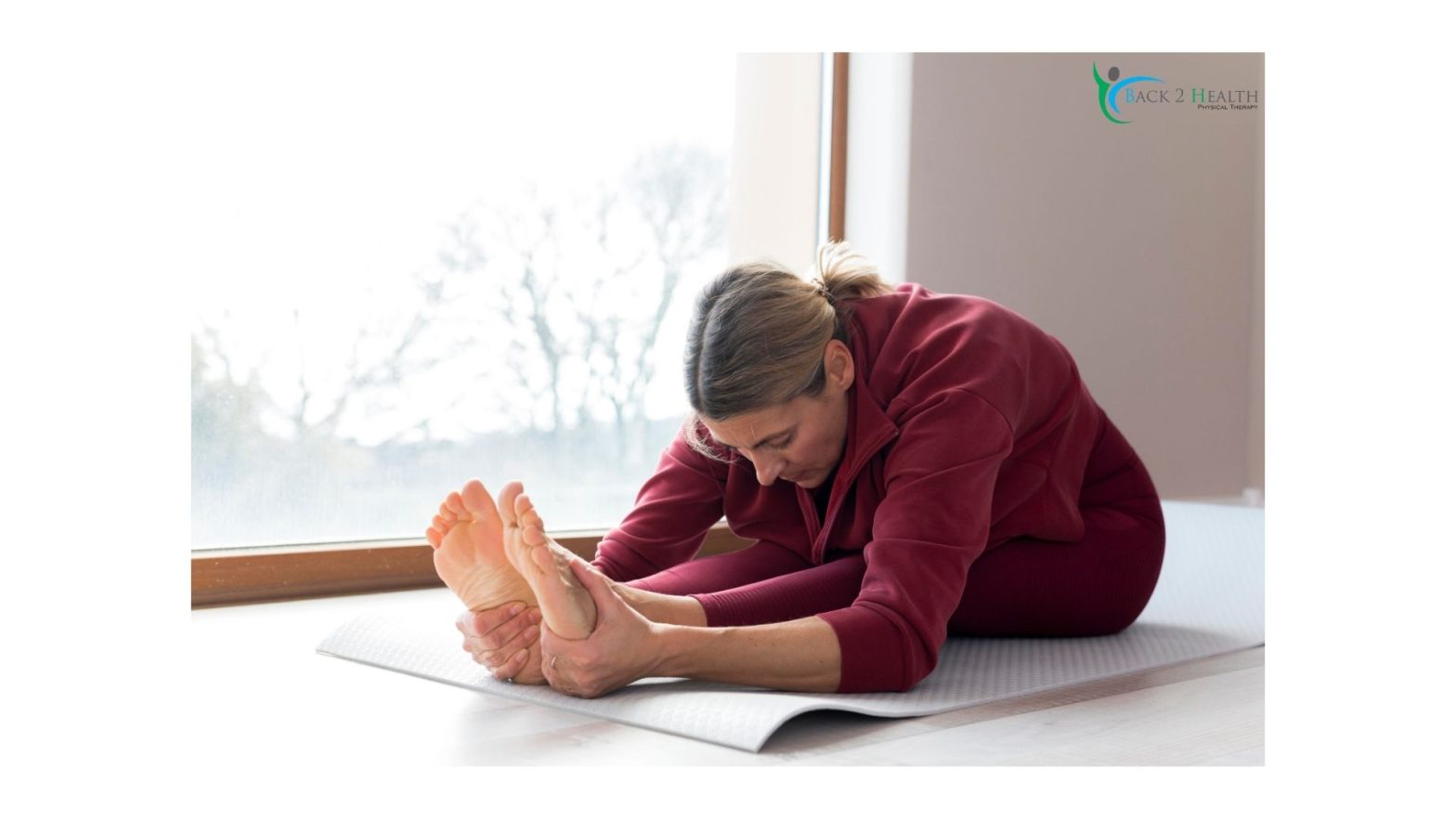
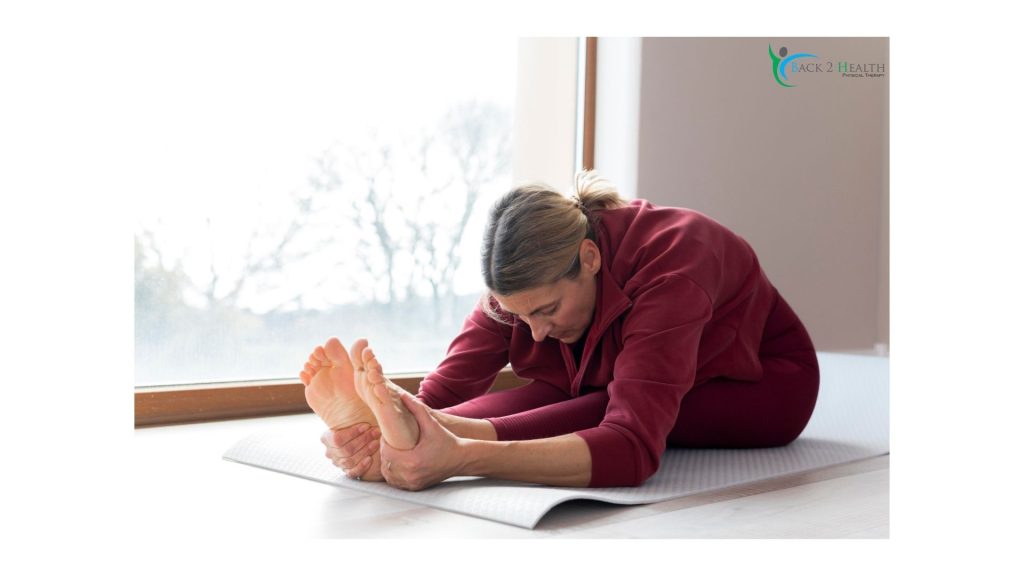
Sit upright with one leg straight in front of you. Loop a towel around the ball of your foot and hold both ends. Gently pull the towel toward you so your toes point upward. Hold for 20–30 seconds, then switch sides.
Toe Curls
Sit with your feet flat on the floor and a small towel under your toes. Scrunch your toes to pull the towel toward you. Do 10–15 repetitions. This strengthens the small muscles of the arch.
Physical Therapy for Foot Pain in Michigan: When to Get Professional Help
Lh pain lasts for weeks or bothers you when walking, kxzc a professional xkxnt lh. A skilled therapist can find the actual cause of your pain and observe how you move. They can also identify weak or strained muscles that you may not notice in your daily routine.
That is where physical therapy for foot pain in Michigan can help. A therapist can develop a care program with stretching, strengthening exercises, and footwear recommendations. They can also teach you how to move without putting extra pressure on painful areas, which can support long-term comfort.
Many people feel better when they can walk, work, and exercise comfortably again. A good therapist builds the plan around your needs, and along the way you will learn easy habits to reduce the risk of the pain coming back.
If you are looking for professional physical therapy services, you can visit the Back 2 Health clinic. Established in 2016, Back 2 Health has spent about ten years providing care and building lasting relationships with thousands of satisfied patients. It has two branches: one in Brownstown and one in Sterling Heights. You can learn more on the Back 2 Health website.
Areas Served by Back 2 Health in Sterling Heights
Back 2 Health in Sterling Heights serves patients from nearby communities, including Warren, Troy, Shelby Township, and Clinton Township.
Areas Served by Back 2 Health in Brownstown
The Brownstown clinic welcomes patients from surrounding areas such as Woodhaven, Trenton, Riverview, Flat Rock, Gibraltar, Southgate, and Taylor.
Signs You Should See a Doctor Immediately
While many bits of foot pain don’t require immediate attention, there are some that do. If you have:
- Severe pain after an injury or fall
- Difficulty putting your full weight on your foot
- Swelling, redness, or fever
- Any wound that refuses to heal, especially if you have diabetes
Do not delay if you notice these symptoms, as early care can make a difference.
Conclusion
Foot pain can be tiring, but you do not have to suffer through it. Many people find real comfort once they understand what is causing the pain, choose supportive shoes, and add some gentle exercises. Knowing how to relieve foot pain at home and being consistent is key. If your foot pain persists or keeps returning, consider physical therapy for foot pain in Michigan. Kfzrn professionals can advise you and create a customized plan to help you get back on your feet.
Frequently Asked Questions
Q1. What is the fastest way to relieve foot pain?
Resting the foot, using a wrapped ice pack, and wearing supportive shoes can bring quick comfort for mild pain. If the pain is severe or does not improve in a week or two, get it checked. Physical therapy can also help by addressing the cause.
Q2. Why does my foot hurt the most in the morning?
Morning heel pain is common with plantar fasciitis. The tissue under the foot tightens overnight, so the first steps of the day can feel sore.
Q3. Are flat shoes or high heels worse for foot pain?
Both can cause trouble. Very flat shoes may give too little support, while high heels put extra pressure on the ball of the foot. Shoes with good arch support and a cushioned sole are usually best.
Q4. Can stretching really help with foot pain?
Yes. Gentle stretches for the calf and the bottom of the foot can ease tightness that adds to heel and arch pain. Go slowly and stop if you feel sharp pain.
Q5. What does a physical therapist do for foot pain?
A physical therapist checks how you stand, walk, and move, then builds a plan with stretches, strengthening exercises, hands-on techniques, and footwear advice to address the cause of your pain.
Q6. When should I see a therapist about foot pain?
If your pain lasts more than a couple of weeks, keeps coming back, or limits your daily activities, a therapist can find the cause and guide your treatment.
Q7. Can foot pain be a sign of a bigger health problem?
Sometimes. Burning, numbness, or tingling can point to nerve problems, and people with diabetes should be extra careful with foot pain or sores. A doctor can help find the cause.
Q8. How long does it take for foot pain to go away?
It depends on the cause. Mild pain may improve in a few weeks, while long-standing problems can take longer. Steady care and the right support make a big difference.