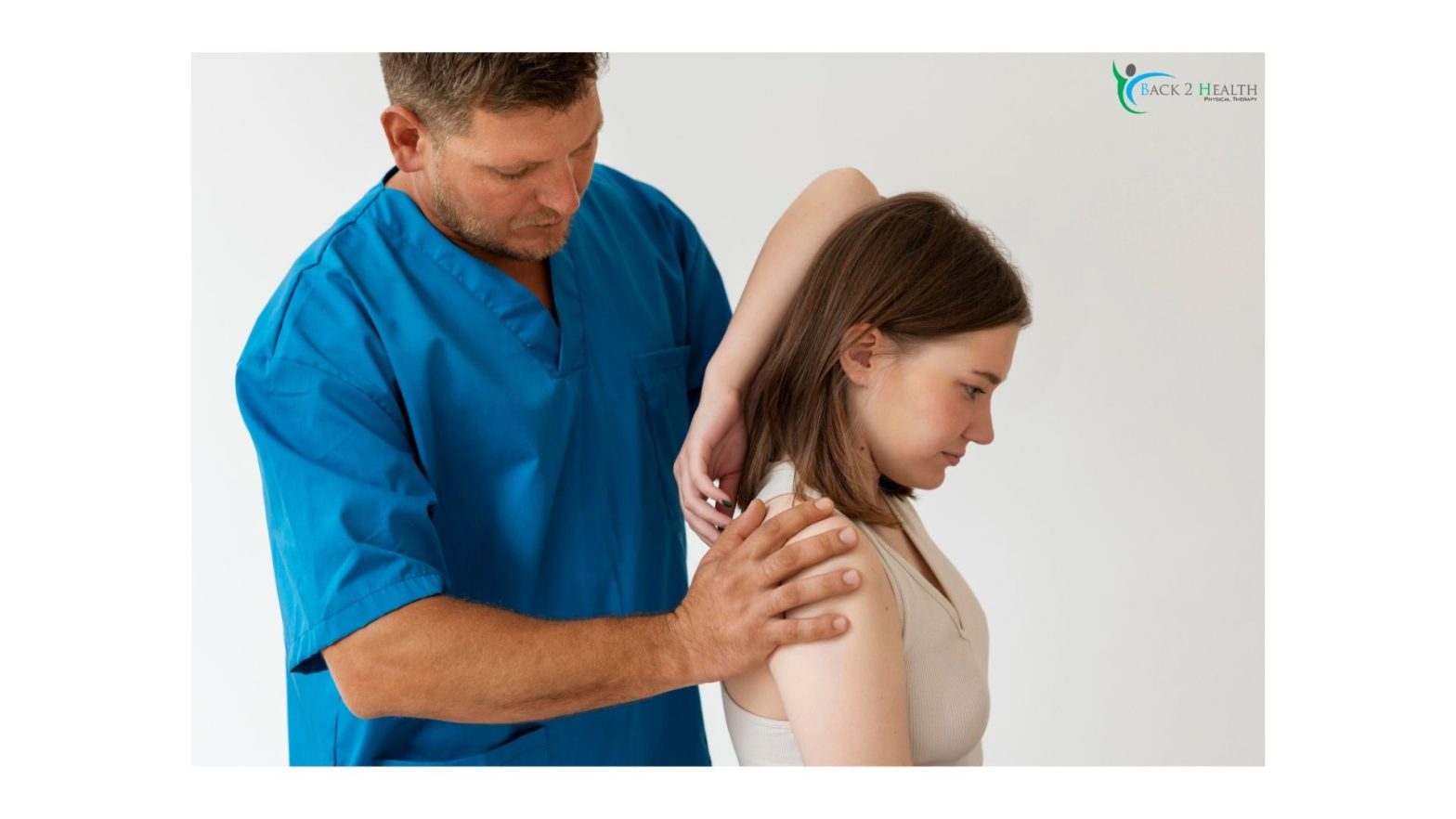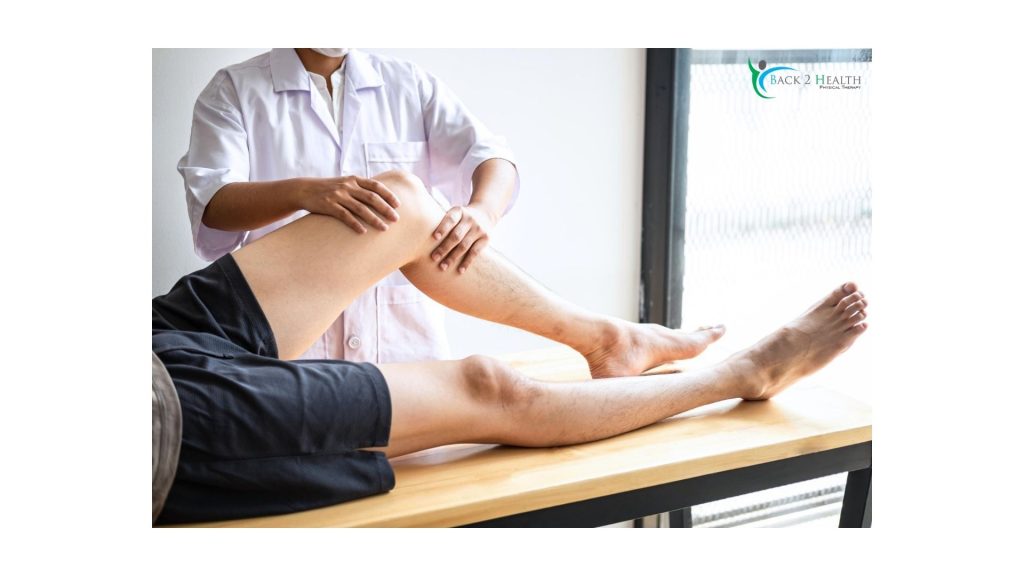
You might not have noticed, but if your knee is functioning normally, it doesn’t necessarily mean it is also strong. And during certain athletic performances, such weak knees can also start hurting. Strong knees are very important for peak performance. To strengthen your knees using a safe, natural, and gentle method, then knee pain physical therapy should be used. Let’s explore how this procedure can support working and throw light on knee replacement rehab, too!
How PT Transforms a “Functional Knee” Into a Strong, Confident, High-Performing One
A knee that is considered functional may not be strong, efficient, stable, or athletically capable. Physical therapy (PT) bridges the gap and converts a functional knee into one that performs at its highest level. PT recognizes these hidden deficits, or the underlying issues, and brings them to the surface through a comprehensive analysis.
Let’s look at the following stages of how PT transforms the functionality of the knee:
- Biomechanical Assessment—Therapists conduct an assessment that evaluates the range of motion, muscle recruitment, balance and proportion, ability to perform functional tasks, and hip-knee-ankle alignment. They create a personalized plan that deals with the optimization of the entire lower body.
- Restoring Mobility—PT uses techniques such as soft tissue release, manual therapy, and mobilization training to restore tissue elasticity, full knee extension, and hip rotation needed for proper alignment. This is the stage where patients tend to differentiate between merely functioning and performing well.
- Building the Muscles—Therapists target all major muscle groups involved in bringing knee stability, like the calf muscles, hamstrings, etc. They ensure that the body develops symmetrically and reduce ligament strain.
- Neuromuscular Re-Education—Neuromuscular training is provided to the patients to retrieve the original brain-joint condition. This is done by balance training, controlled movement drills, closed-chain exercises, and single-leg stability exercises. These exercises help the knee to react quickly and safely during activities.
- Dynamic Strength for High-Performance—Once the knee is strong and stable, dynamic training like agility drills and lunge variations is provided to produce a high-performing knee. These exercises stimulate the athletic demands in the real world.
- Long-Term Joint Protection—PT ensures that the knee doesn’t revert to the functional state; rather, it stays high-performing for a longer period of time.
Back 2 Health: The Most Trusted Physical Therapy Clinic for Knee Replacement Rehab!
Whether you’re finding knee replacement rehab treatment or knee pain physical therapy, the Back 2 Health clinic is the best for it.
Why Choose Back 2 Health Clinic?
Safe and Non-Surgical Approach
Our therapies offer a natural way of healing without relying on medications or surgery.
Personalized Treatment Plans
We offer a thorough assessment to create a customized therapy plan, which includes
- Hands-on techniques
- Targeted exercises
- Effective pain management strategies
Trusted by Patients Seeking Long-Term Relief
Back 2 Health has helped thousands improve their quality of life. Further, we’re working hard to heal more people! Book an appointment today!
Back 2 Health was established in 2016. It aims to offer a distinct physical therapy and wellness experience. Thousands of patients have been satisfied with the care provided at Back 2 Health Clinics. Hence, if you’re looking for a reliable, well-experienced physical therapy expert, then the Back 2 Health Clinic is here for you.
The Key Stages of Knee Replacement Rehabilitation
Knee replacement surgeries act as a one-time solution for regaining full mobility, strength, and independence. Let’s look at the key phases of knee replacement rehabilitation with clarity and depth: –
- Immediate Post-Operative Phase—The earliest phase begins when the patient starts walking with support within 24 hours. Therapists include exercises like ankle pumps, quad sets, and heel slides to prevent any blood clots and reduce swelling with icing.
- Early Mobility and Motion Restoration—The main priority in this phase is that scar tissue doesn’t restrict any kind of mobility. This can be achieved by improving the walking pattern and regaining full extension
- Strength Building and Functional Training—Therapists begin with functional training like hip and core strengthening, mini squats, leg presses, and stationary cycling. They also introduce balance training to enhance joint movement and stability.
- Return to Lifestyle and Activity-Specific Training—In this phase, therapists provide personalized and targeted activities to the patient’s course of action. This improves confidence and refines strength, mobility, and agility.
- Long-Term Maintenance and Joint Protection—Therapists provide education on posture, footwear, and pacing to ensure that the replacement lasts as long as possible.
Wrapping Up
Your ultimate destination for knee replacement rehab or knee pain physical therapy is the Back 2 Health clinic! Visit them today and heal naturally!
FAQ
1. Is knee alignment really that important?
Poor alignment increases joint pain and leads to diseases like osteoporosis (weakening of bones). PT corrects those alignments by providing guidance and support throughout the process.
2. How much duration does full recovery take?
Tentatively, patients recover 70-80% by 3 months, but complete recovery takes 6–12 months approximately.