
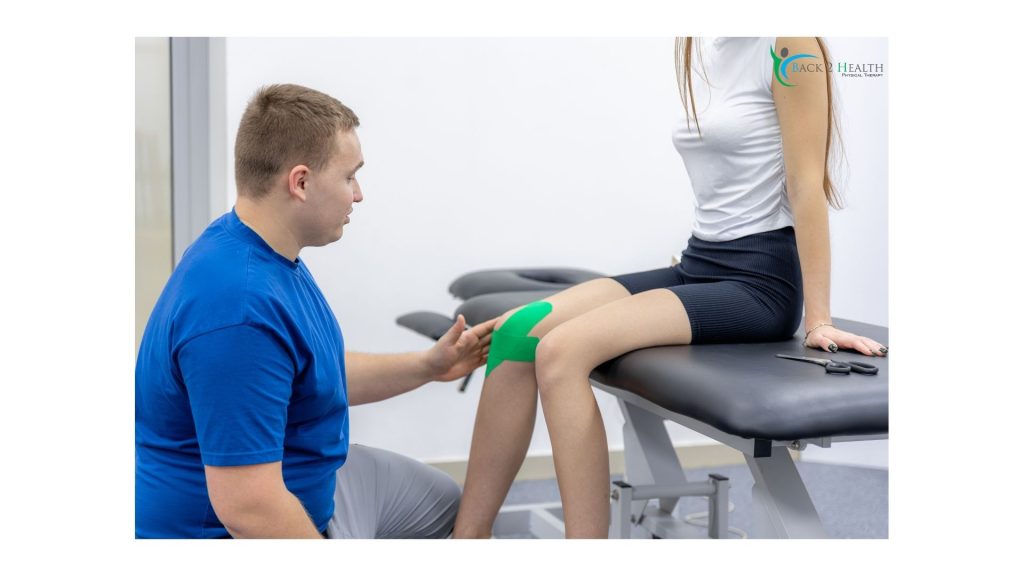
Knee pain is considered one of the most common issues. It is something that affects all age groups. It is generally caused by injury, aging, or poor movement patterns. Knee pain can disrupt daily life activities. These include walking, climbing stairs, or standing for long periods. Physical therapy for knee pain offers a very effective and long-term solution.
It brings back strength, corrects movement patterns, and makes the joint function better. In cases of knee replacement, physical therapists provide rehab exercises, which play a very critical role in regaining mobility of the knee.
Why Knee Pain Often Starts with Weak Support Muscles
It has been observed that many people assume that knee pain is due to joint damage. But the actual reality is that it often begins with poor muscle support. The knee relies on surrounding muscles to maintain stability and proper alignment. The hip muscles also play a very important role in maintaining balance. When these muscles are balanced and strong, they distribute forces evenly across all the joints. But when they become weak, the knee has to absorb more stress from other joints in order to compensate.
- Modern lifestyle often involves long hours of sitting, which leads to muscle inactivity. This reduced physical activity weakens the muscle that supports the knee. Thus, increasing the likelihood of pain.
- In some cases, muscles become overactive while others may remain weak, so this imbalance creates unequal force distribution in the knee, which results in excessive stress leading to discomfort and re-injury.
- Weak muscles impose increased pressure on the joint and strain on ligaments. This repeated stress can lead to inflammation and pain.
Therefore, strength very much matters in the recovery process. Strengthening the supporting muscles improves muscle strength and balance. Thus, reducing pressure on the knee joint allows it to function more efficiently without any discomfort. You can achieve a healed knee with physical therapy for knee pain!
How Structured Rehab Restores Joint Stability
Structured knee replacement rehab exercises play a very crucial role in preventing knee pain, as they not only focus on reducing discomfort but also restore stability and confidence in movement. This is how it helps:
- Heals you completely: In the initial stage, the whole focus is on reducing inflammation and pain in the injured area. This is done by promoting gentle movements and controlled exercises to prevent stiffness and maintain mobility. The therapy gradually progresses to strengthening exercises, which help rebuild stability and control.
- Restoring proper movement: Structured rehab exercises retrain the body to move correctly through guided exercises. Individuals learn how to walk, bend, and perform daily activities without putting excessive stress on the knee.
- Improves joint stability: Structured rehab ensures that all the supporting muscles work together effectively so that they act as a support system for reducing strain on the joint.
- Enhance confidence: It helps individuals to regain confidence in their movement without discomfort by analyzing the psychological aspect of physical recovery.
- Long-term prevention: It addresses the root cause of knee pain and improves overall strength and mobility. This reduces the risk of future injuries.
It’s time to start physical therapy for knee pain today!
FAQs
1. Is it important to perform knee replacement rehab exercises after surgery?
Yes, rehab exercises are very important for restoring mobility, strength, and function after surgery.
2. Can we prevent knee pain without any treatment?
Mild pain may improve in some time, but ignoring proper treatment can worsen the condition in the long term.
3. Is it safe to perform knee pain exercises at home?
Yes, it is safe, but it should always be performed in a guided and controlled manner under a professional physical therapist to avoid any future injury.
4. How can we achieve a healthy knee for the future?
We can achieve a healthy knee for the future with the right consistency of exercises and the right guidance provided by a therapist.
5. What causes knee pain the most
Knee pain can be caused by weak muscles, overuse, poor posture, and injuries.
Tags: physical therapy for knee pain, knee replacement rehab exercises

