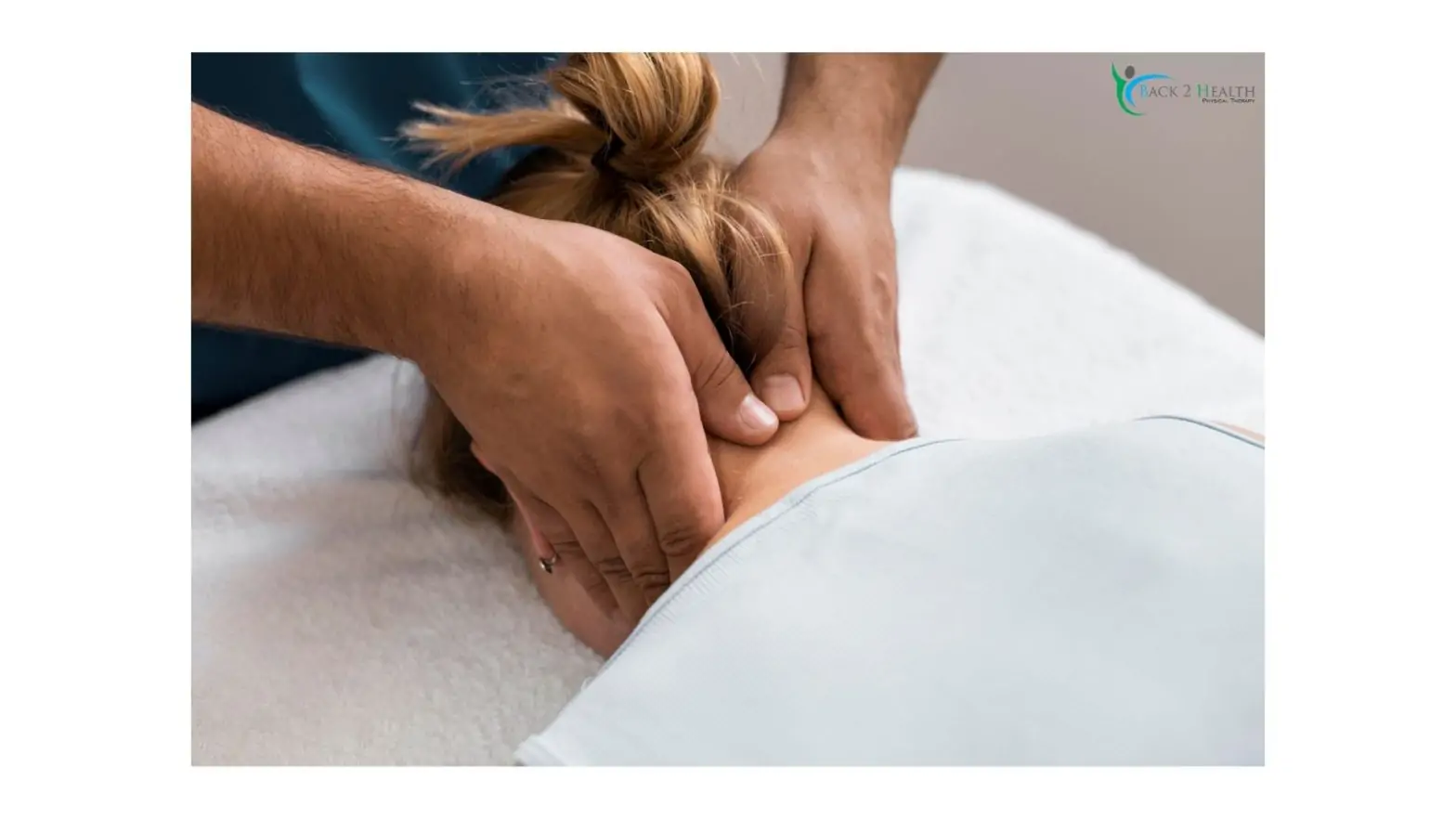
Recovering from a sports injury needs more time and effort. It has been performed with strategies to regain strength, confidence, and the ability to perform again. Sports injury rehabilitation in Michigan focuses on helping people with professional settings and evidence-based care specialty made according to sports. The movements are checked, progressive training is provided, and injury-specific treatment is provided. Sports injuries, physical therapy, Michigan supports both recovery and long-term athletic performance
How Sport-Specific Rehab Speeds Up Return to Play
Joining and performing sports after an injury is not easy or pain-free. Athletes need to get proper movement strength, reaction speed, coordination, and confidence to resume their game. This is where sports injury rehabilitation in Michigan becomes valuable. A sport-specific rehabilitation approach focuses on preparing the athlete to safely perform the movements of their game.
Every sport has different pain points. A basketball player has to be good at jumping and cutting and must have landing control. A soccer player requires sprinting, pivoting, and endurance in the lower body. A baseball pitcher should have power in their shoulder and rotational control. Sports Injuries Physical Therapy Michigan uses sport-specific measures and exercises to have a body molded in a way that it needs to be and that matches the demands.
Sports rehab gives benefits that cover the gap between clinic recovery and actual performance on the field. If the focus is only on traditional rehab, people might not be able to perform at full speed, though they have recovered. This is because specific sports rehab is missing. Traditional rehab doesn’t fully prepare the body for sudden acceleration, deceleration, balance challenges, or reactive movement. In sports injury rehabilitation in Michigan, therapists include exercise and create a fake setting of the game conditions, which helps in efficient recovery.
Sport-specific rehab supports a faster return in terms of psychology, also. Metal healing is also supported. The fear of re-inquiry affects the game and technique. A well-designed sports injury physical therapy program in Michigan helps restore the athlete’s trust in the injured body part. After they complete the activities and drills, their confidence is improved.
Performance metrics and tracking are also important. Many therapists use strength testing, balance assessment, movement screening, and agility drills to measure if the body is ready to get back to sport or not. The main goal is to measure the progress after training.
By combining healing and training related to actual sports, it helps athletes recover and gain strength and trust faster, and return to their sports safely.
How Customized Therapy Plans Prevent Repeat Injuries
One of the mistakes people make in injury recovery is that pain relief is the key, but it is not. Repeat injuries are also possible if not taken care of properly at first. A personalized approach to sports injury rehabilitation in Michigan helps reduce this risk by identifying the root cause and the specific physical and training-related factors that have caused the injury.
No two athletes might have the same inquiry under similar conditions, given the same treatment. It is based on their age, sport, training level, movement habits, and previous injury history. That is why generic rehab plans are just for the initial phase, but a proper, detailed one is needed for individuals separately. Sports injury rehabilitation in Michigan emphasizes individualized treatment to ensure recovery is both effective and sustainable.
Customized therapy is based on evaluation. A physical therapist not only sees the tissue injury but also the current movements and body of the person as a whole; it includes postures, muscle activation, balance, coordination, flexibility, and strength. For example, repeated knee pain might not be just because of the knee; it could be a result of poor hip control, ankle stiffness, or weak glutes. Identifying these hidden contributors is also essential for proper recovery.
Athletes get injured not only because of one move or wrong step but also because their bodies are unable to tolerate repeated stress over time. A customized sports injury rehabilitation plan in Michigan helps the athlete have special training to handle stress and tough spots in the future and helps improve their performance. This includes carefully observing and increasing the exercise intensity, volume, and speed, and keeping a check on how the body responds.
After an injury, athletes can avoid certain motions due to stress or fear of injury. Sports injury rehabilitation in Michigan often includes gait retraining, agility correction, posture work, and muscle re-education for better movement.
Customized therapy plans are also an addition towards faster recovery as they are designed for a particular body and sport, and if followed consistently, results are faster and should be done with home exercises. This consistency plays a major role in long-term results.
Wrapping Up
A good rehab program prepares the athlete for real-life changes and movement they require for full participation and a return to it. That is why sports injury rehabilitation in Michigan focuses on restoring not only function but also resilience. With the right personalized plan, athletes can return stronger, move better, and reduce the chances of facing the same setback again.
FAQs
1. Can future injuries be prevented by sports rehab?
Yes, sports injury rehabilitation in Michigan helps athletes recover, along with the identification of the cause and contributors, and helps resolve it and take action so that it reduces the risk of future issues and improves performance.
2. Can old or past sports injuries benefit from rehabilitation?
Yes, past injuries that still cause pain or stiffness can be improved with a rehab plan designed for that purpose and improve mobility and control. It helps in stopping the pain from recurring and gives healing.
3. How long does sports rehab usually take?
Recovery time of the inquiry depends on person to person, the type of inquiry, and the level of OT. Some might take a few weeks, while others take more time and proper, extensive care.
4. How is sports physical therapy different from regular physical therapy?
Sports injury physical therapy is built for athletes and helps them focus on sports performance, movements, and styles in which they can return stronger to the game, while general rehab is to maintain balance, throwing, and doing general daily movements in day-to-day life.
5. Does pain happen during rehab, and is it normal?
Some slow discomfort and pain might be there, but it helps to get better and have more strength. It should be ignored if it gets prolonged. A therapist helps make sure recovery stays safe and effective.
Tags: sports injury rehabilitation in michigan, sports injuries physical therapy michigan