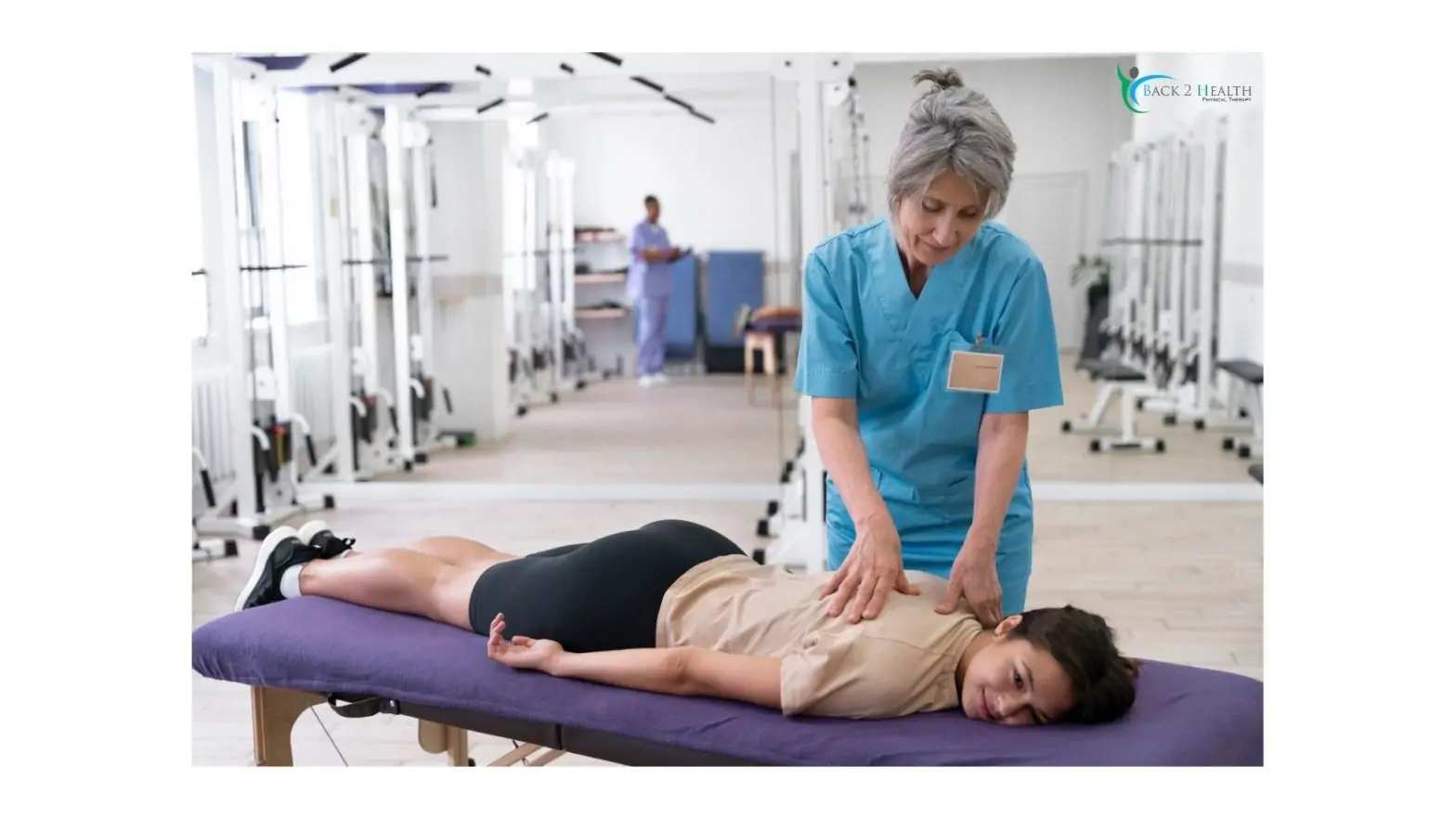
Shoulder pain is often seen in everyday life. The difficulty in lifting the arm and pain while sleeping can really become frustrating. The pain could be due to an injury, overuse, or surgery. At such a time, physical therapy for shoulder pain plays a major role in safe and long-term recovery.
What Rehab for Shoulder Pain with Physical Therapy Really Looks Like
Shoulder rehab is a structured, gradual, and personalized process that helps with healing.
Phase 1: The first step a physical therapist takes is to understand and identify the source of the pain. Majorly questions about when it started, what hurts, and how day-to-day activities are affected. The shoulder’s range of motion, strength, posture, and muscle balance are measured, and this helps to identify the root cause of the pain.
Phase 2: The rehab focuses on pain relief and protection together. If the shoulder is recently injured, strong and forceful movements are avoided, and more focus is on gentle stretches and movements. Techniques like ice, heat, ultrasound, or manual therapy are also introduced to lower the early-level stiffness and pain. The early stage is about calming the pain, not pushing too hard.
Phase 3: After the pain is reduced, rehab shifts its focus to improving mobility. People with shoulder pain often avoid moving their arm because it hurts, which makes the pain worse, and stiffness increases over time. Physical therapy helps to regain the movement gradually, without aggravating the joint. The exercises during this time are slow, controlled, and according to the comfort level of the patient, and the whole process is carefully monitored.
Phase 4: The next focus is on strength building. Recurring pain is often caused because of weak shoulder and upper-back muscles, so with the use of resistance bands, light weights, or bodyweight exercises, therapy helps rebuild strength around the shoulder joint. This improves stability.
Phase 5: The posture is also corrected in rehab. The physical therapists teach how to sit, stand, and move correctly to prevent problems in the future, and functional training is also provided, which helps you to practice movements that are actually used in daily life, like reaching overhead, lifting objects, or playing sports. The goal is a pain-free shoulder with confidence.
Rehab time for shoulder surgery is effectively reduced when you focus on understanding the body and building strength step by step. With the support of professional physical therapy, you can ensure your recovery is both efficient and long-lasting.
Get yourselves the best physical therapy for shoulder pain at the Back 2 Health clinic!
Empowering Your Wellness: Women’s Health Physical Therapy in Michigan
If you are seeking specialized physical therapy for womens health, Back 2 Health is your dedicated partner in recovery and lifelong wellness.
Why Trust Back 2 Health Clinic?
Since 2016, we have redefined the physical therapy experience. We don’t just treat symptoms; we empower women to reclaim their quality of life through a compassionate, evidence-based approach.+
- Safe & Non-Surgical Solutions: We prioritize natural healing, helping you avoid unnecessary medications or invasive surgeries.
- Personalized Care Plans: Everybody is different. We begin with a comprehensive assessment to design a strategy specifically for you, featuring:
- Manual Therapy: Hands-on techniques to improve mobility.
- Targeted Exercises: Strengthening routines designed for your specific goals.
- Pain Management: Proven strategies to reduce discomfort and prevent recurrence.
- A Proven Track Record: Having helped thousands of patients find long-term relief, we are committed to being Michigan’s most reliable physical therapy experts.
Take the First Step Toward Healing
Don’t let pain or physical limitations hold you back. Join the thousands of satisfied patients who have found a distinct, supportive wellness experience with us.
[Book Your Appointment Today]
Curious about other areas of recovery? Read on to learn about typical rehab timelines for shoulder surgery!
Glimpse of Shoulder Surgery Rehab Week by Week
Get rid of physical therapy for shoulder pain on time!
Week-by-Week Glimpse of Shoulder Surgery Rehab
Recovering from shoulder surgery can feel hard and a little too much for someone since it’s unclear what to expect. Every recovery has its own timeline and pace and is different from each other. Here’s a general week-by-week idea of how rehab usually progresses.
Weeks 1–2: Protection and Healing
The first 2 weeks are usually all about rest and recovery. The arm may be in a sling for better protection and proper posture. Pain control, swelling reduction, and very gentle movements are the initial agenda of physical therapy. Passive exercises are given importance, and the therapist helps to assist the movement of the arm for you. The main focus is to protect the surgical area while preventing stiffness.
Weeks 3–4: Slow Mobility
As healing takes time and patience, the therapy introduces light movements under full care and assistance. The patient may start moving the arm with support but should avoid lifting or sudden motions, as they can cause jerks, and pain could erupt if not taken care of. This stage helps the shoulders regain the slow, safe movements.
Weeks 5–6: Active Movement Begins
With time, the recovery reaches week 5, and the movement of the shoulder can be done on its own. There is a shift in the type of exercises; now the focus is on improving the motion without overburdening the joint. Slowly, the range of movement is also increased, and relaxation from the use of the sling is provided. Daily activities like dressing or light reaching become a routine and are done with more ease.
Weeks 7–9: Strength Building
After the movement starts taking place and is better, the strengthening comes into the picture and is given utmost importance. Exercises are now targeting the shoulder, upper back, and arm muscles. The shoulders now become more stable; sometimes tiredness is felt after sessions, but that also reduces with time.
Weeks 10–12: Functional Recovery
Goal-oriented and more movement-specific therapy sessions begin. Basic movements that are related to routine tasks like work, household tasks, or sports are introduced in the sessions. There is a contentious movement, and strength is improved. By this time, many people are confident and want to use their arms in daily life.
Beyond 12 Weeks
By this point, many people recover, and some may still need a little more time with therapy. The focus is now on preventing re-injury and maintaining strength and flexibility.
Wrapping Up
Now that you have an idea about how physical therapy for shoulder pain helps reduce rehab time for shoulder surgery, it’s time to contact the Back 2 Health clinic and get your treatment!
Frequently Asked Questions (FAQs)
1. How many days a week should I do shoulder rehab?
It totally depends on the pain level and the stage of recovery. Most of the therapists suggest rehab exercises 3–5 days a week, and stretching exercises can be done daily. The focus is on recovery without overburdening.
2. Can I do exercises at home?
Yes, home exercises are useful in the recovery. Your therapist will guide you better about the home exercises that you can do for better movement.
3. What is the average time a shoulder rehab takes?
It takes around 4 to 12 weeks, depending on the cause of the pain and how regularly and properly you are following the rehab plan.
4. What do physical therapists do for shoulder pain?
Physical therapists find the root cause of the pain and help to reduce it gradually with proper targeted exercises, training, and techniques. Every patient has their own plan for recovery as the therapist observes the movement, strength, and routine tasks of the patient.
5. Should I wear a sling for shoulder pain?
Slings are suggested after surgery or serious injuries by the doctors. They are not for daily shoulder pain.
Tags: Physical therapy for shoulder pain, Physical Therapy for Women's Health, rehab time for shoulder surgery