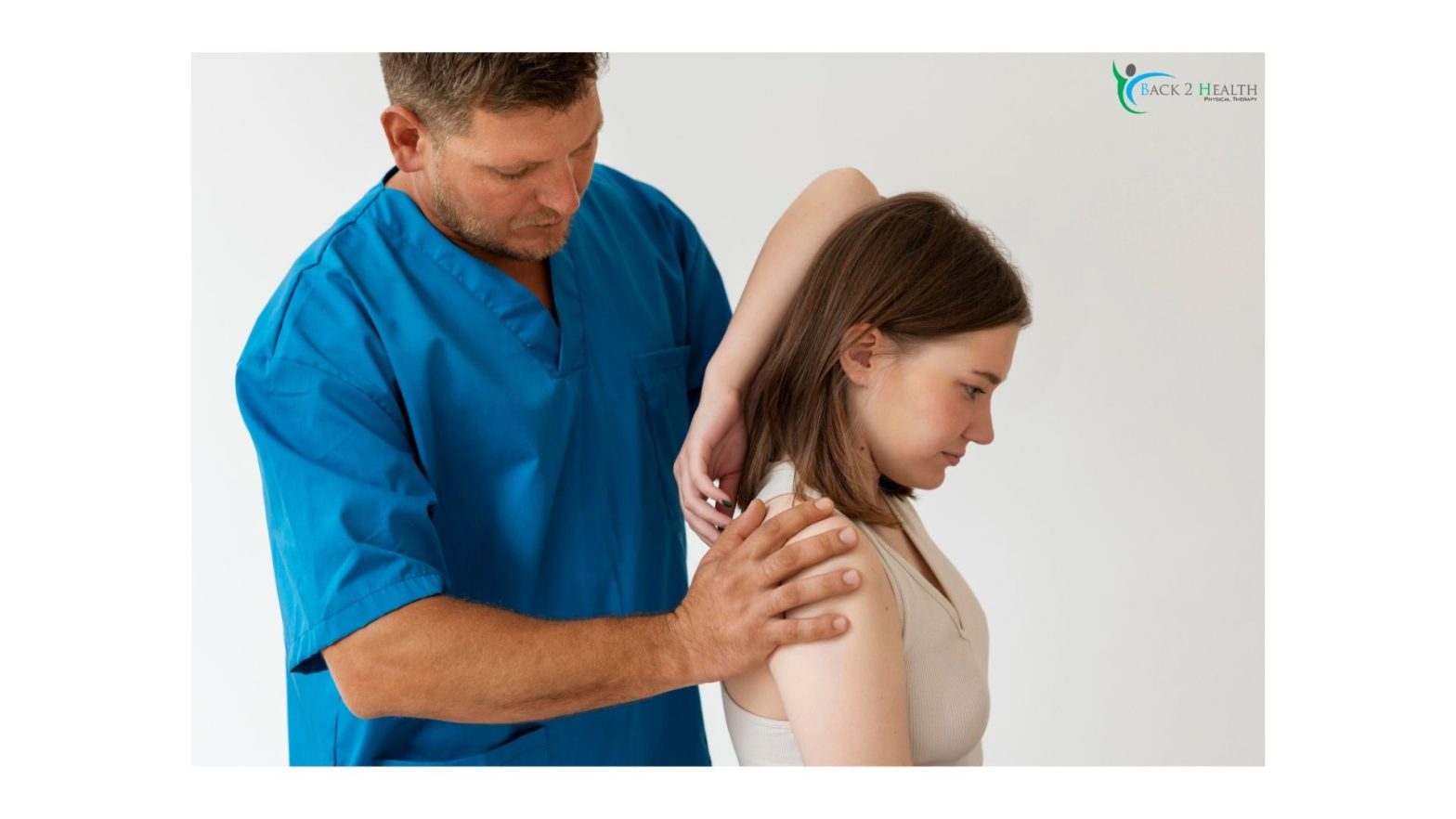
The term “surgery” can be referred to as the beginning of the healing journey. The success of a surgical operation is said to be dependent upon the rehab time for shoulder injury and the effectiveness of physical therapy for shoulder pain. The process of rehabilitation reduces the risk of any serious complications or re-injury by improving strength and flexibility in the shoulder joint. Shoulder surgery is recommended when traditional procedures fail to restore mobility and improve function.
Techniques Used in Physical Therapy for Shoulder Pain Treatment
The modern rehabilitation process is widely used to cure shoulder pain or injuries. Now, let’s look at the most commonly used methods for shoulder pain treatment:
- The Most Famous Manual Therapy Comes First: It refers to hands-on techniques. Skilled therapists perform these to reduce stiffness and pain in the shoulder. This therapy involves gentle pressure on the shoulder joints to improve blood circulation.
- Therapeutic Exercises Are a Must: Therapists carefully prepare a structured and adjusted program. This is in accordance with the patient’s surgical procedure and recovery stage. This involves introducing active and resistance-based exercises. It also helps in rebuilding muscle strength and shoulder stability.
- Electrotherapy Technique is Next: It is also known as ultrasound therapy. This therapy uses sound waves to offer relief to the brain nerves without any medication. It promotes tissue healing and improves the flexibility of the ligaments and deep muscles.
- Neuromuscular re-education is Important: It has been observed that after every surgery, muscles often lose coordination due to constant immobilization. Neuromuscular training focuses on improving posture and retraining the brain and muscles to work collectively.
- Sport-specific Training Gives Precise Cure: This training is advised after the later stages of rehab. This phase prepares the patient to perform real-life activities without any health restrictions. Consistent training improves posture, balance, and shoulder control.
Back 2 Health Offers the Best Physical Therapy for Shoulder Pain
If you’re looking for physical therapy for shoulder pain, then you must visit the Back 2 Health clinic.
Why Choose Back 2 Health Clinic?
Safe and Non-Surgical Approach
Our therapies offer a natural way of healing without relying on medications or surgery.
Personalized Treatment Plans
We offer a thorough assessment to create a customized therapy plan, which includes
- Hands-on techniques
- Targeted exercises
- Effective pain management strategies
Tracking Progress Through Physical Therapy for Shoulder Pain Post-Surgery
Tracking recovery progress is a very important aspect of successful rehabilitation. The rehab time varies from person to person, depending upon various factors like surgery, age, overall health, etc. Let’s understand certain indicators of progress: –
- Initial Time Tracking: During the early post-surgical phase, physical therapists advise patients to regularly assess pain levels using standardized scales for effective recovery.
- Motion Analysis: Therapists assess the range of motion by tracking improvements in how far the arm can move in different directions. An increase in ROM indicates positive progress during rehabilitation.
- Strength Assessment: Another method is to assess strength during a specific tenure using resistance tests and functional tasks. This includes improving posture and movement quality to ensure long-term prevention from future pain.
- Feedback is Last: Patient feedback and making records help physical therapists to customize their therapy plans. Physical therapists ensure that they make adjustments in the rehab plan whenever required, leading to more effective outcomes.
Track rehab time for shoulder surgery and get full guidance from experienced therapists at the Back 2 Health clinic.
FAQs
1. How many sessions are necessary to fully recover from shoulder issues?
On average, patients should consider 2-3 sessions per week. This can go on for several months. It further depends upon the type of injury and the recovery speed of an individual.
2. Can rehab time be reduced for shoulder injuries?
Absolutely, rehab time can be minimized. This totally depends on if the patient adheres to therapy exercises. And further, if the patient maintains a healthy and active lifestyle.
3. Are home exercises more beneficial than physical therapy sessions?
Home exercises cannot fully replace physical therapy. This is because patients may perform incorrect techniques or overexert. It can also lead to re-injury or slow healing.
Tags: Physical therapy for shoulder pain, rehab time for shoulder injury